Food:
The food in the Philippines is well-known by many, for it's diversity. Due to the country's history of colonization, it's food has been influenced by China, the United States, Spain, Mexico, and Malaysia. Sinigang (sour soup), lechon (roasted whole pig), and the most well-known one, adobo (meat stewed in vinegar and soy sauce), are all examples of Filipino food. Filipino food is known its balance of sweet, sour, salty, and bitter flavors. Another food item, Balut, is a fertilized egg that is boiled and eaten from the shell.

Celebrations:
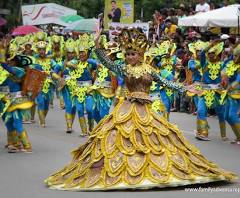
The Philippines includes many colourful celebrations that were influenced by Spain's takeover of the country. Some major festivals are more religion-oriented, like the Sinulog festival, one of the largest festivals in Cebu City, that celebrates the birth of Jesus. May 15th is the day of the Pahiyas Festival held in Lucban, Quezon. It has houses decorated with colorful vegetables, and horse-drawn carriages called kalesas. Another one, the Ati-Atihan Festival, in Kalibo, Aklan presents tribal dancing and parades.
Clothing

Indigenous clothing varied by region and was influenced by local materials and climate. Men typically wore a "bahag," a loincloth made from woven fibers, while women wore a "baro't saya," a blouse and skirt combination. Fabrics were often made from natural fibers like cotton, abaca, and silk, showcasing intricate weaving techniques. Clothing was adorned with beads, shells, and other decorative elements, reflecting social status and cultural identity. Color and design often indicated tribal affiliation and were used in rituals and ceremonies. Traditional attire was often complemented by accessories such as headpieces, jewelry, and woven bags.
